
To prevent accidents, it is best to avoid these most common trenching mistakes.

When it comes to construction, there are fewer jobs more dangerous than trenching and shoring. Trenching and shoring are both done to safeguard the integrity of a structure that might not otherwise be safe.

Providing bracing by using the area around the structure, trenching operations are adequate ways to work around buildings until the structure is safe again. The problem with trenching is that many things can compromise the safety of both workers and the work site. To prevent accidents, it is best to avoid these most common trenching mistakes.
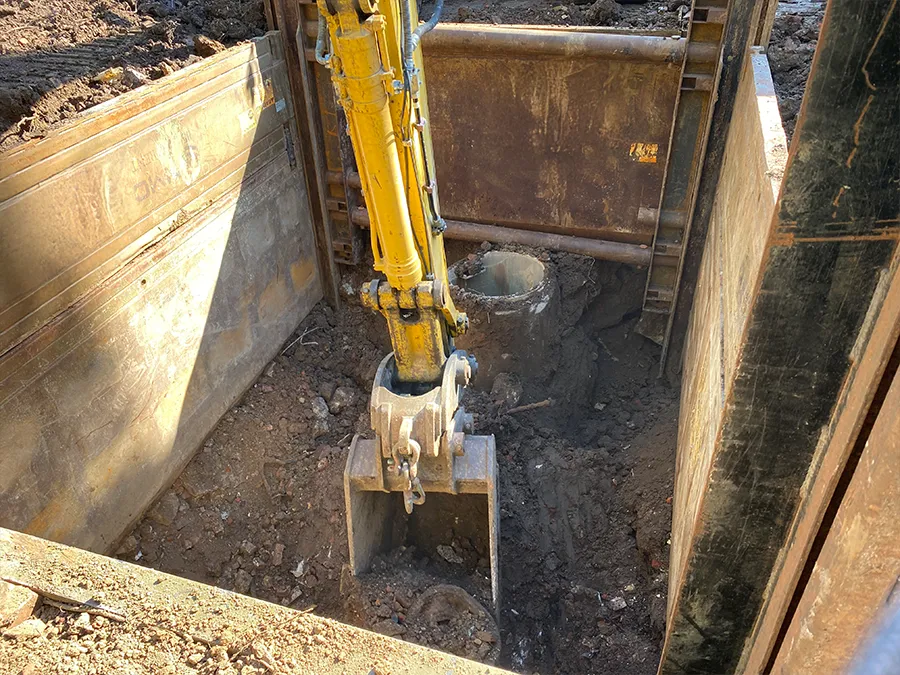
prevent shoring and trenching hazards with these tips

Mistake 1: Not Doing the Research

It might seem like a simple thing, providing a shield while you work. But when it comes to dealing with soil conditions, weather, water, and all the other things that can compromise the safety of a trenching structure, you simply can’t plan too much. Make sure to accommodate for anything that can go wrong – because when it comes to construction and trenching, it likely will. And when it does, it isn’t just an oops, it has the potential to cause serious injuries – and in some instances, death.

Mistake 2: Don’t Misjudge Things

If you always err on the side of things going your way, then you are going to get into trouble. For trenching sites, the only way to ensure that no one gets hurt, your operation doesn’t get behind or shut down, and that things go as smoothly as possible, is to anticipate the worst-case scenario and plan for it. If you think that the worst can’t happen, then you aren’t going to be prepared when it does. When it comes to construction, everything unpredictable is predictable; if you want to keep everyone safe, then that is the theory you have to live by.

Mistake 3: Not Using the Right Equipment

Shoring and trenching equipment can cost a lot of money. But if you don’t dig correctly or set up your trenching work site appropriately, the potential consequences far outweigh the cost of renting the right equipment or hiring someone to do it right. When it comes to trenching, don’t save pennies by spending dollars. The number-one priority should be to keep your workers safe and to be on schedule without any major hiccups. Sometimes paying the money up front to make sure things go right is well worth it, and better than to end up paying for the mistake of not doing it correctly.

St. Louis Trenching Company

Trenching can be a very dangerous practice in the construction industry. If you don’t shore things up correctly and build a safe work site for everyone, you not only risk the safety of your employees – you also can jeopardize being on track, paying for an injury, and not securing the job site to run as efficiently as it should. Sometimes you have to put in the additional cost, effort, and research to ensure that your outcome is what you want and that everyone is safe. To make sure that you are doing everything to code and keeping everyone safe, contact a St. Louis trenching company to help you devise the best plan to make your construction project run smoothly.
Experts in trench shoring and excavation projects. Call Luby Shoring Services at (636) 660-7467.

Knowing what they are and how to evaluate and accommodate for them are critical to keeping workers safe.

Trenching St. Louis

Trenching is one of the most dangerous practices that you can engage in within the construction industry. Trenching is a way to build a structure to ensure the integrity of a worksite that may not be stable. There are many things that you have to take into consideration when devising the best trenching practices. One that might seem like the most benign, but it’s one of the most critical: being able to evaluate and accommodate various types of soil conditions.

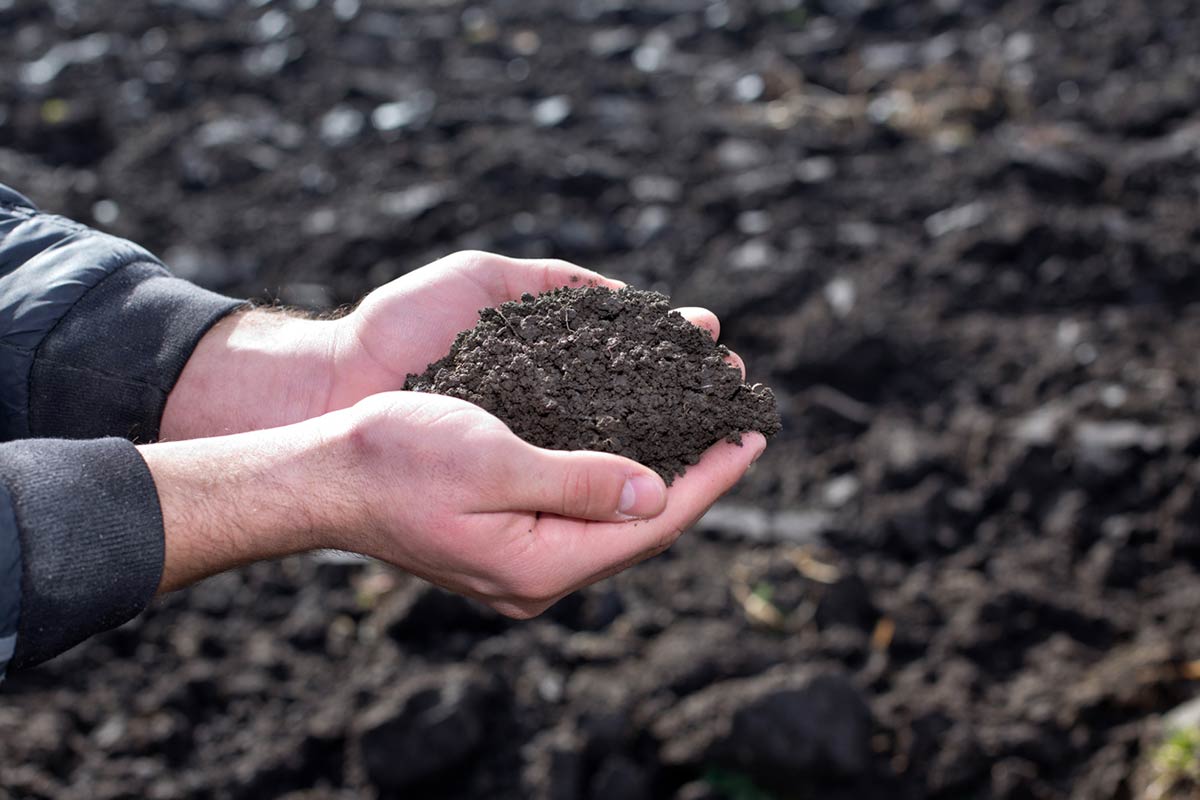
Since your trench will rely on how well it holds up the surface around the worksite, things like soil type, the moisture that it retains, and the type of composition it contains should all help to determine the best way to shore things up to keep everyone safe.

There are many stresses that can be placed on the soil at a trenching site. Knowing what they are and how to evaluate and accommodate for them are critical to building the safest trenching operation possible.

Stable Rock

Stable rock soil conditions exist when there is natural mineral matter that can be extracted with both sides exposed. Examples of stable rock are sandstone and granite. Although it’s more difficult to crack, once you have a trenching site comprised of stable rock you have more stability, and it is impervious to weather conditions and cracks.

Type A Soils

Type A soils are unconfined and have a compressive strength of 1.5 tons per square foot or more. Things like clay, clay loam, sandy clay, or silty clay are examples of type A soil. It’s not impervious to water conditions, so weather and running water need to be accommodated for when trenching in type A soils.

Type B Soils

Type B soils are unconfined and have a strength of more than 0.5 but less than 1.5 per square foot. Examples of type B soils are silt loam and angular gravel. As they are more unstable than other types of soil, water and weather conditions definitely need to be factored in for safety.

Type C Soils

Type C soils are unconfined soils that have the strength of less than 0.5 per square foot or less. They are gradual in nature and pose the biggest threat of danger in a trenching site. They are the most unstable, so if you are trenching in type C soils you will need to either dig deeper, slope horizontally or vertically, and anticipate weather or water changes.

Layered Geological Strata

If you are dealing with soil that is geologically altered, then you have to take into account the various levels of soil and accommodate accordingly. Dealing with layered geological strata creates a highly complex trenching site, and there are many conditions to consider.

St. Louis Trench Shoring

Trenching is an extremely dangerous part of the construction industry and it’s heavily guided by the conditions that surround the work site. Chief among those concerns are the type of soil and how weather and other conditions will affect its integrity. If you are designing a trenching operation, it is imperative to get the help of a professional St. Louis trenching and shoring professional to ensure that you are taking soil and all other things into consideration.

Call Luby Shoring Services at (636) 660-7467 or fill out our online contact form.