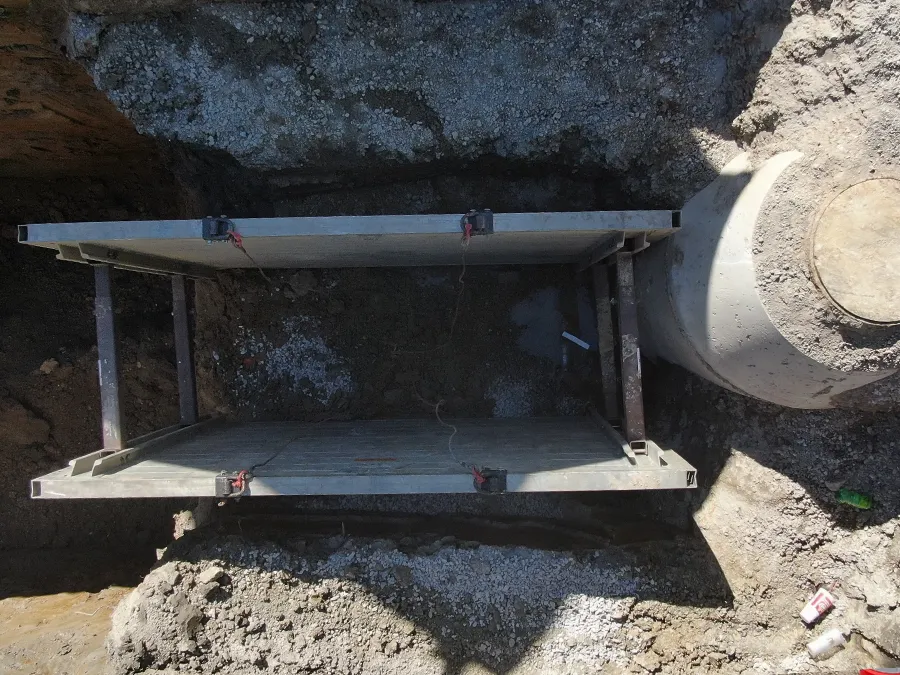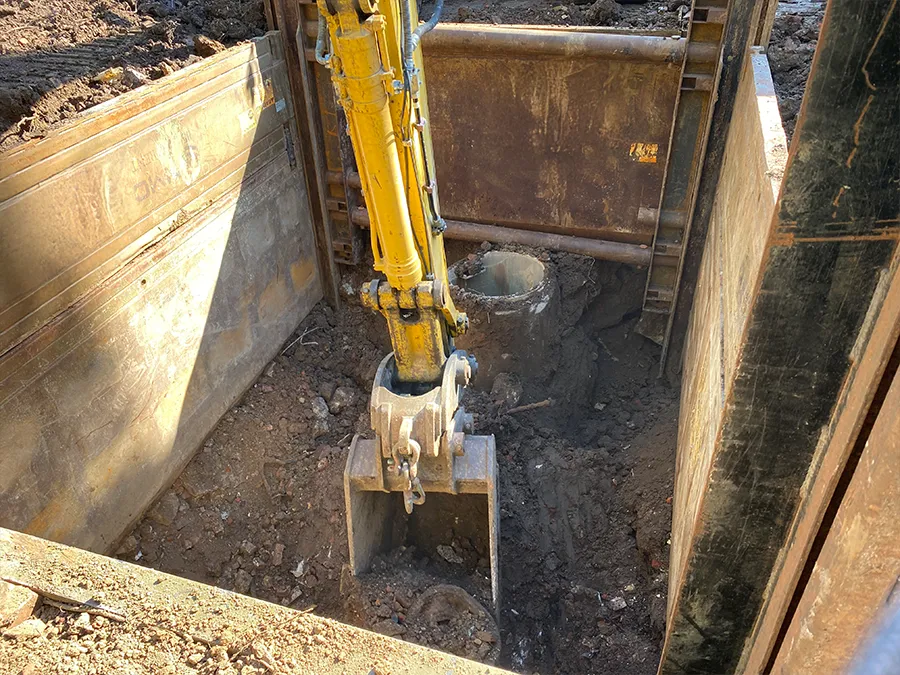
Because no two projects are the same, shoring and shielding methods will also differ.
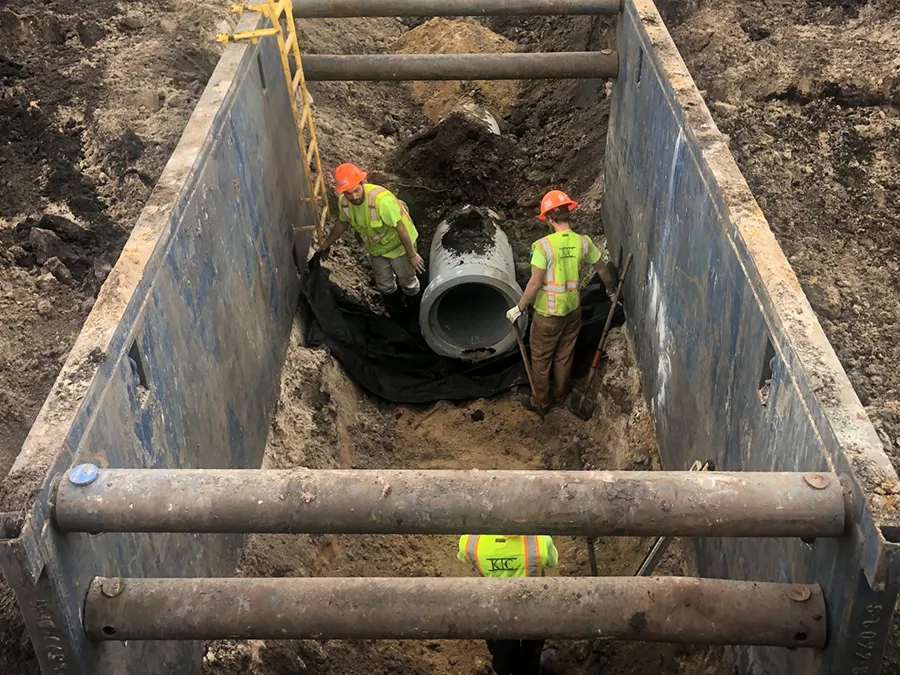
trench shielding vs trench shoring

Shoring is a process that is used to hold up structures that either have structural integrity issues or foundation problems, or if major repairs need to be made to improve a structure’s safety. Because no two projects are the same, shoring methods will also differ. The key to choosing any shoring equipment is knowing the scope of your project and how to keep everyone safe.

There are different types of trench shoring equipment that underground energy specialists and other types of industries use. Often, shoring equipment is not a permanent piece of equipment, it’s generally rented to make the repairs.

No Two Trenching Jobs are the Same

The scope of excavation varies in parameters from one job to the next and depends on many factors, such as the kind of soil that surrounds the structure, the type of structure the shoring equipment needs to support, or even what barriers are going to exist in the location that the trenching material might have to work around.

Before you choose which type of shoring equipment to rent, it is best to have a structural engineer or a shoring expert evaluate the site and make a recommendation about the equipment you need to keep everything safe. Since no job is going to be a one-size-fits-all, finding someone who has a vast amount of experience in the industry is imperative to keeping your crew and any other workers on-site safe.

The type of shoring equipment you need will also be determined by the municipality where you work and the guidelines in place for the safety of trenching and shoring. To ensure that you are meeting the requirements, it is imperative to work with the government agencies that will be inspecting the site.

What is the Difference Between Shielding and Shoring?

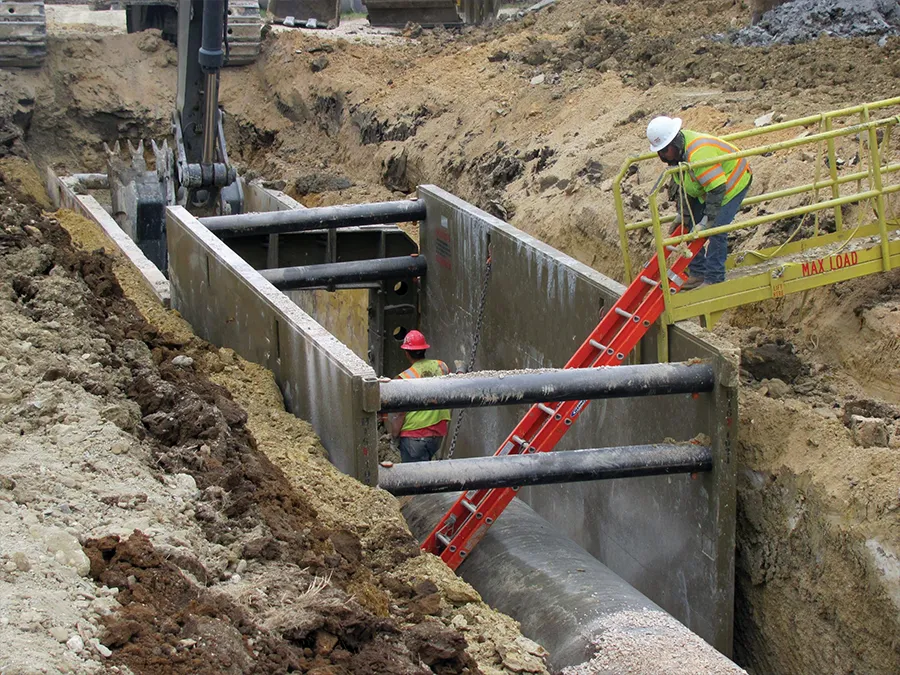
Although sometimes “shoring” and “shielding” are considered synonymous, they actually are not. Shielding and shoring involve two different styles and have their own requirements from the Occupational Safety and Health Association. If you have to protect a system, then you make a trench “shield or box” that is installed to safeguard employees from things caving in on them. Shoring is a different process, it uses an entire structural unit or hydraulic force to protect the structure against any trench walls giving in. That is why it is crucial to have a professional determine which method is required for the scope of your individual project.

To make sure that you are employing the right process for making repairs if the structure of your job site or building’s integrity has been compromised, get a professional who understands your needs, the scope of your project, and what the laws are for the municipality where you are working, to ensure workers’ safety while making repairs. Since shoring and trenching are different, the key is to figure out which one you need for your individual project to protect everyone, including your business.
St. Louis Trench Shoring & Excavation Services – Call Luby Shoring Services at (636) 660-7467

There are certain techniques in the trenching industry that will help to keep your work-site and your employees safe.

In the construction industry, which is already fraught with hazards and dangers, trenching is one of the most hazardous environments that anyone can work in. Trenching is used to hold up the integrity of a job site or a building to give it stability. While rules are in place to deal with trenching sites and government agencies like OSHA are in charge of monitoring, accidents still occur. When regulations are not followed or there is not sufficient training provided, it can lead to severe work injuries.

There are some techniques in the trenching industry that will help to keep your work-site and your employees safer when working around trenching and shoring equipment and projects.

tips and tricks for safer trenching and shoring

Dewatering Utilizing Well Points

One of the biggest hazards of any trenching site is water. When you excavate a site, the key is to minimize any standing water, which can eat away at the integrity of the trench. To eliminate standing water, digging well points to drain is an excellent way to maintain the trench. Once a hole is dug into the ground, insert a pipe and a submersible pump to remove water, especially in sandy soil. The best time to implement this type of water control is three to five days before the excavation even begins. Otherwise, surrounding groundwater will start leaking into your working site. Also, make sure that you place the well points effectively and have the right number of them to accommodate for any water that results from the excavation.

Improving Working and Walking Surfaces

One of the most common ways for someone to hurt themselves in a trenching accident is by slipping and falling. To improve working and walking surfaces, it is important that you make sure that the trench floor is perfectly level for workers. Any dips can lead to someone losing their balance. Another way to improve walking and working surfaces is to add or spread rocks. Not only will the rocks help with drainage, but they will also make surfaces less slick.

The Competent Person

A competent person is an individual who has the capacity to identify the predictable and existing dangers in the workplace. He can clearly perceive the working conditions which are hazardous or unsanitary and pose a risk to the workers. He has the ability to identify the types of soil and design suitable protective systems. He possesses the authority to implement corrective measures to get rid of the hazards.

Trenching is a dangerous practice in the construction industry. To ensure that your worksite is safe for your employees and to keep things running smoothly, an ounce of prevention is totally worth it. Make sure to factor in things like the skill level of the management you hire, the working surfaces, and how to accommodate for different soils to keep everything running on time and as planned.

St. Louis Trench Shoring Services

With more than 70 years of experience, trust Luby Shoring Services. We strive to provide reliable service, proven innovative shoring and shielding products, and an experienced staff to supply working solutions for your project’s specific needs. Call us today at (636) 660-7467 or fill out our online contact form.

Only someone who understands the complexity and hazards of cave-in accidents can help to keep everyone at the worksite safe!

Trenching is one of the most hazardous practices in the construction industry. When a structures’ integrity is compromised and needs to be repaired, or a building is being constructed and needs to have safety guards in check to keep the walls from collapsing, trenching is the practice that helps keep everyone safe. But trenching is only safe if done properly. Cave-ins are common in the construction industry. They can be highly destructive to the construction site and to the trench workers.

how to prevent trenching and shoring injuries

What are the common reasons that trenches cave in?

Soil is held up is by the force placed upon it by the soil next to it. This means that when trenches are dug, the soil that was holding up the surrounding walls of the trench can be compromised, and there is no force placed on it to hold it up. That leaves a vertical wall of soil with no opposing force to keep it upright or to lend it support. That is why some trenches fail to stand and can lead to cave-ins. 

Protective systems and methods for excavated soils

The Occupational Safety and Hazards Administration is the government agency tasked with protecting trenching workers. OSHA employees work at the state level, and their purpose is to protect workers from serious construction site injuries. OSHA’s rules state that a trench must be dug a minimum of five feet into the soil to prevent the risk of a cave-in.

They also require that employees be trained about the importance of the protective measures set in place by OSHA — not just to the job site, but to their safety. The safety systems that are commonly employed are:

  • Benching or sloping of the soil – One of the simplest methods to protect trenching workers, benching is when the walls of the excavation are either sloped or benched, depending on the type of soil in place at the site. As the soil and its stability are reduced, so is the angle at which the trench is sloped. If conditions are not safe for benching or sloping due to the soil conditions, shoring or shielding must be used.
  • Shoring – Shoring is a system that provides lateral support to oppose the force of the wall to prevent it from collapsing. It involves either timber or metal uprights through sheet piling or other accepted methods. As shoring is used to protect larger worksite areas, crews can typically work inside or next to the excavated site without fear of a cave-in accident.
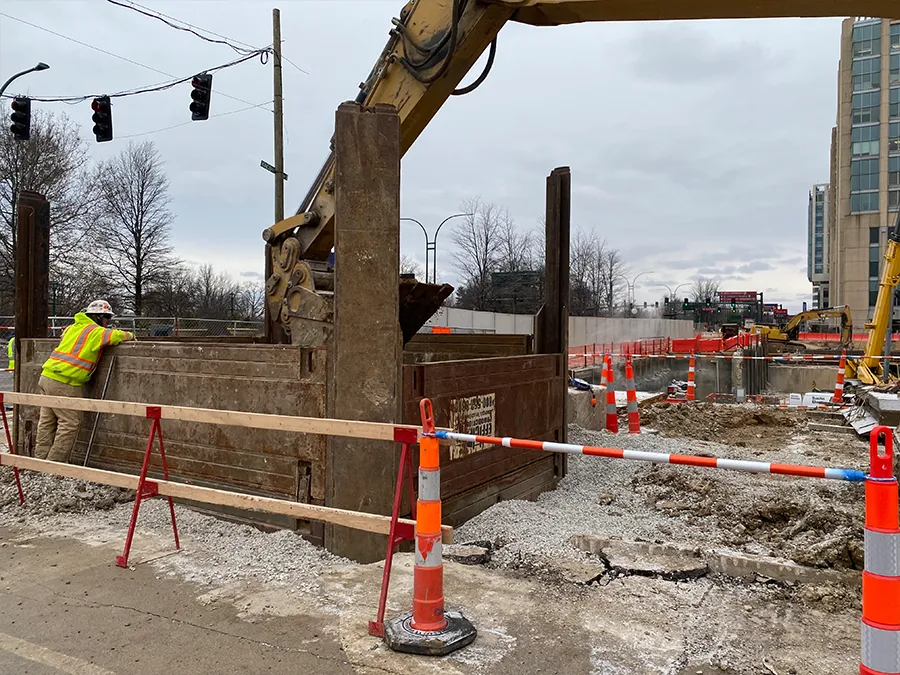
  • Shielding – Unlike shoring, shielding isn’t a system used to prevent a cave-in of trench walls, it is used to protect employees from having specific areas of the trenching site cave in on workers. Most commonly called “trench boxing,” it is designed specifically for workers’ protection and can be moved around the trenching site.

The type of system that is most effective to prevent cave-in accidents in any trenching worksite depends on many factors. Only someone who understands the complexity and hazards of cave-in accidents can help to keep everyone at the worksite safe and to keep your construction site working efficiently and safely for everyone.

Luby Shoring Services

When it comes to excavating projects, rely on Luby Shoring Services’ expertise. We will help you complete any job quickly, while meeting OSHA safety regulations. We have a wide range of options available for fast delivery, and our team will provide options for the correct equipment to use with your job.

Our team will pair your job with the right trench shields and shoring products. Call us today at (636) 660-7487 or fill out our online contact form.

The best way to ensure you are following OSHA’s rules is to hire someone who is competent to run the operation and who has the expertise to keep things in check.

Trenching and shoring in the construction industry are two of the most dangerous operations that exist. That is why the Occupational Safety and Health Administration has so many procedures, rules, and regulations in place to protect those who work on or near trenching sites. The problem is that although operations are guided by OSHA regulations, there is not always someone overseeing the site to make sure that everyone is following protocol.

There are some companies that run outside the confines of being regulated by OSHA, which means that they try to cut corners and receive lower fines for doing so. Even if you aren’t caught, the result is that you can be subject to some severe and stiff penalties and costs in the event that someone gets hurt. That is why it is important for your managers not only to know what OSHA’s rules dictate, but also that they follow them – regardless of whether or not you are closely monitored.

The Importance of the Competent Person

The best way to ensure you are following OSHA rules is to hire someone who is competent to run the operation and who has the expertise necessary to keep everyone and everything in check. They must have the authority to manage not just the site but the many types of personalities that they will likely be dealing with. Because accidents can happen when rules aren’t followed, finding someone skilled enough to be on top of employee issues is important.

A trenching manager should:

  • Communicate with the staff regarding the responsibilities and the dangers of working at a trenching site. Communicating effectively means being able to explain why things should be done a certain way and what the potential hazards are if those procedures aren’t followed.
  • Be capable of completing a protective system to manage the trenching site efficiently and understand what the proper dimensions, including width and depth, need to be to accommodate for various soil conditions.
  • Must be able to multitask, keeping an eye on the overall trenching operation as well as the individual workers to ensure that they are trained properly and following the right protective standards necessary to keep everyone safe.
  • Must understand how to both excavate and inspect the areas around the trenching site.
  • Must understand how to evaluate and ensure that the concentration of oxygen is sufficient for workers or to evaluate if there are any hazardous gases.
  • Must be capable of anticipating any vulnerabilities, and if they are observed – even in cases where it is workers who aren’t skilled enough – be able to remove them to minimize the potential for danger.

Although they are supposed to be regulated by OSHA, there are many trenching operations that are never inspected or even evaluated unless a red flag goes up. That does not mean that it isn’t important for you to ensure that you have the proper safety guidelines in place and a competent person to follow them. That is the only way to ensure that you aren’t left with huge fines or even a wrongful death suit on your hands.

St. Louis Trench Shoring & Excavation Services Call (636) 660-7467 :: Experts in trench shoring and excavation projects.

The key is to know what to look for so that you can anticipate the dangers that may be associated.

Shoring services in st Louis

When it comes to the construction industry, there are very few things that are as hazardous as trenching and shoring. Trenching and shoring are ways that the construction business uses to make the structural integrity of building sites and structures stronger and safer for employees to work on or around. The problem is that you can’t always anticipate all the conditions that can wreak havoc on a job site, especially when it comes to the weather.

Winter is one of the worst times for construction trenching. With a combination of frozen ground and precipitation, there are always conditions that must be accommodated. If they aren’t, then it can put a real hazard on your work site. Being able to compensate for weather conditions is imperative to keeping everyone working on a trenching and shoring site safe and injury-free. The key is to know what to look for so that you can anticipate the dangers that may be associated.

Soil Conditions and How they Create Instability

One of the biggest factors in ensuring a safe trenching or shoring site is the condition of the soil that you are working with. If the soil is riddled with extra water, then you are going to be fighting a losing battle trying to keep things structurally sound. Heavy rains will be the number-one enemy of safety. That is why, if you see any signs of the soil heaving, cracking, settling or boiling, then it is time to shut the operation down and find a way to compensate for the additional water instead of trying to work through it.

What Should you Do if you Notice Soil Problems?

Once you notice that there is a problem with soil conditions, they need to be addressed immediately. There are ways to pump water from a site to make it sounder. You can also use protective systems to either dig deeper or to excavate a wider area to compensate for the weather conditions. The key is to identify the signs of water problems and to find a way to solve them, instead of just pushing through and hoping that they will take care of themselves.

If you find that water is a problem, then you can use different methods of benching, shoring, or sloping, depending on what the issue is. It’s essential to have an engineer or management professional who not only can identify when your trenching operation is jeopardized by excess water, but also knows how to address it so that your workers are safe.

Trenching is one of the most dangerous parts of any construction site, because the integrity of the work site is compromised to begin with. To ensure that you are compensating for weather conditions, make sure to hire the right professional so they can not only identify when things need alterations, but also find the right way to fix the problem before a hazard exists. The smallest water or weather issue can take down your entire operation, slow down your timeline, or put your personnel at risk.

Experts in trench shoring and excavation projects. Call Luby Shoring Services at (636) 660-7467 or fill out our online contact form.

To prevent accidents, it is best to avoid these most common trenching mistakes.

When it comes to construction, there are fewer jobs more dangerous than trenching and shoring. Trenching and shoring are both done to safeguard the integrity of a structure that might not otherwise be safe.

Providing bracing by using the area around the structure, trenching operations are adequate ways to work around buildings until the structure is safe again. The problem with trenching is that many things can compromise the safety of both workers and the work site. To prevent accidents, it is best to avoid these most common trenching mistakes.

prevent shoring and trenching hazards with these tips

Mistake 1: Not Doing the Research

It might seem like a simple thing, providing a shield while you work. But when it comes to dealing with soil conditions, weather, water, and all the other things that can compromise the safety of a trenching structure, you simply can’t plan too much. Make sure to accommodate for anything that can go wrong – because when it comes to construction and trenching, it likely will. And when it does, it isn’t just an oops, it has the potential to cause serious injuries – and in some instances, death.

Mistake 2: Don’t Misjudge Things

If you always err on the side of things going your way, then you are going to get into trouble. For trenching sites, the only way to ensure that no one gets hurt, your operation doesn’t get behind or shut down, and that things go as smoothly as possible, is to anticipate the worst-case scenario and plan for it. If you think that the worst can’t happen, then you aren’t going to be prepared when it does. When it comes to construction, everything unpredictable is predictable; if you want to keep everyone safe, then that is the theory you have to live by.

Mistake 3: Not Using the Right Equipment

Shoring and trenching equipment can cost a lot of money. But if you don’t dig correctly or set up your trenching work site appropriately, the potential consequences far outweigh the cost of renting the right equipment or hiring someone to do it right. When it comes to trenching, don’t save pennies by spending dollars. The number-one priority should be to keep your workers safe and to be on schedule without any major hiccups. Sometimes paying the money up front to make sure things go right is well worth it, and better than to end up paying for the mistake of not doing it correctly.

St. Louis Trenching Company

Trenching can be a very dangerous practice in the construction industry. If you don’t shore things up correctly and build a safe work site for everyone, you not only risk the safety of your employees – you also can jeopardize being on track, paying for an injury, and not securing the job site to run as efficiently as it should. Sometimes you have to put in the additional cost, effort, and research to ensure that your outcome is what you want and that everyone is safe. To make sure that you are doing everything to code and keeping everyone safe, contact a St. Louis trenching company to help you devise the best plan to make your construction project run smoothly.

Experts in trench shoring and excavation projects. Call Luby Shoring Services at (636) 660-7467.

Knowing what they are and how to evaluate and accommodate for them are critical to keeping workers safe.

Trenching St. Louis

Trenching is one of the most dangerous practices that you can engage in within the construction industry. Trenching is a way to build a structure to ensure the integrity of a worksite that may not be stable. There are many things that you have to take into consideration when devising the best trenching practices. One that might seem like the most benign, but it’s one of the most critical: being able to evaluate and accommodate various types of soil conditions.

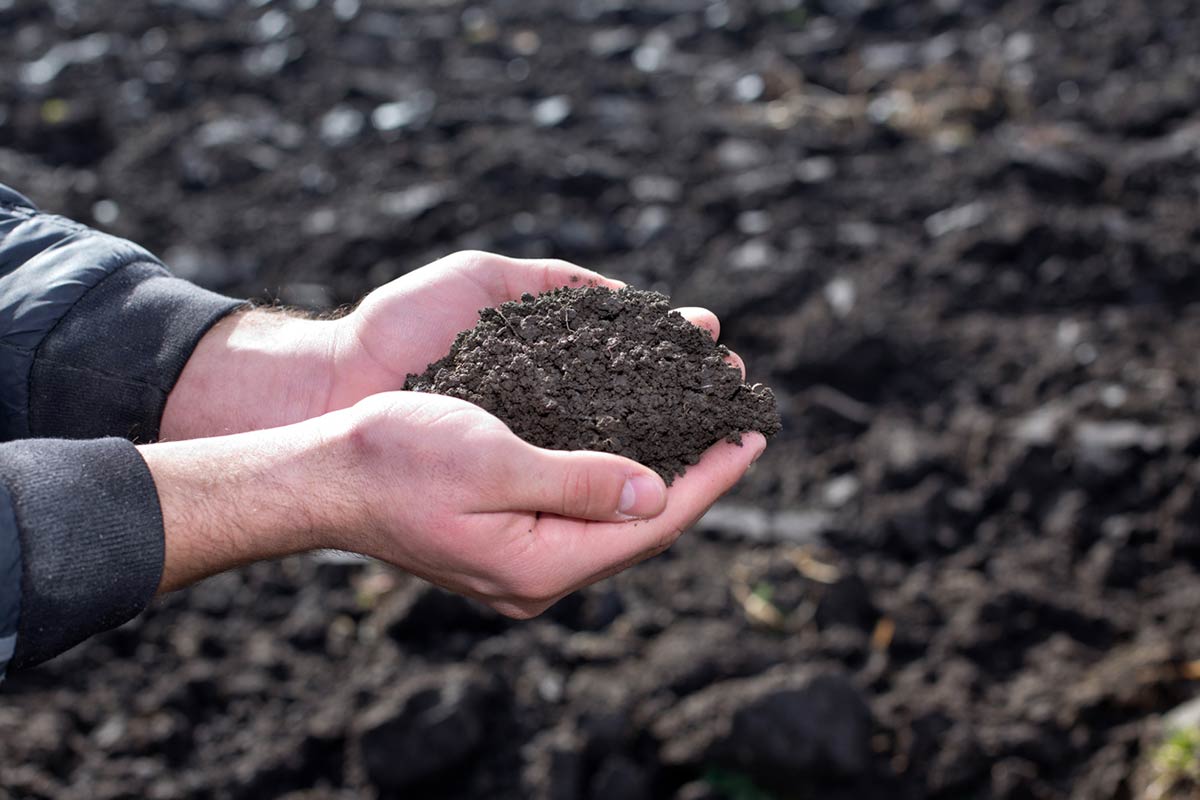
Since your trench will rely on how well it holds up the surface around the worksite, things like soil type, the moisture that it retains, and the type of composition it contains should all help to determine the best way to shore things up to keep everyone safe.

There are many stresses that can be placed on the soil at a trenching site. Knowing what they are and how to evaluate and accommodate for them are critical to building the safest trenching operation possible.

Stable Rock

Stable rock soil conditions exist when there is natural mineral matter that can be extracted with both sides exposed. Examples of stable rock are sandstone and granite. Although it’s more difficult to crack, once you have a trenching site comprised of stable rock you have more stability, and it is impervious to weather conditions and cracks.

Type A Soils

Type A soils are unconfined and have a compressive strength of 1.5 tons per square foot or more. Things like clay, clay loam, sandy clay, or silty clay are examples of type A soil. It’s not impervious to water conditions, so weather and running water need to be accommodated for when trenching in type A soils.

Type B Soils

Type B soils are unconfined and have a strength of more than 0.5 but less than 1.5 per square foot. Examples of type B soils are silt loam and angular gravel. As they are more unstable than other types of soil, water and weather conditions definitely need to be factored in for safety.

Type C Soils

Type C soils are unconfined soils that have the strength of less than 0.5 per square foot or less. They are gradual in nature and pose the biggest threat of danger in a trenching site. They are the most unstable, so if you are trenching in type C soils you will need to either dig deeper, slope horizontally or vertically, and anticipate weather or water changes.

Layered Geological Strata

If you are dealing with soil that is geologically altered, then you have to take into account the various levels of soil and accommodate accordingly. Dealing with layered geological strata creates a highly complex trenching site, and there are many conditions to consider.

St. Louis Trench Shoring

Trenching is an extremely dangerous part of the construction industry and it’s heavily guided by the conditions that surround the work site. Chief among those concerns are the type of soil and how weather and other conditions will affect its integrity. If you are designing a trenching operation, it is imperative to get the help of a professional St. Louis trenching and shoring professional to ensure that you are taking soil and all other things into consideration.

Call Luby Shoring Services at (636) 660-7467 or fill out our online contact form.

If excavation work sites aren’t properly constructed, then this puts the workers at great risk.

Trench Safety St Louis

Trenching and excavating are both extremely dangerous processes involved in many construction projects. Because of the high levels of risk, the Occupational Safety and Health Administration (OSHA) heavily monitors the way that trenching and excavation sites are constructed. If worksites aren’t properly constructed, there is a high probability that you can compromise the integrity of your structure and that an employee will end up getting injured.

OSHA Safety Procedures

OSHA regulates the particulars about how a trenching or excavation site is built and maintained. The newest guideline changes cover the following parts of operation:

  • Dangers related to trenching operations. Since trenching sites are so dangerous, OSHA guidelines are in place to prevent cave-ins that can jeopardize workers, create hazardous atmospheres for surrounding environments, and limit the hazards associated with the machinery needed for trenching.
  • The classification of soil types. Trenching sites differ according to the type of soil surrounding them. Since the soil type can greatly affect the risks associated with trenching sites, there are guidelines on how the soil is classified.
  • Who is running the trenching site? There are specific things that the supervisor of a trenching site must know to keep things running smoothly and safely. OSHA requires that every trenching site have a “competent person” in charge to ensure that the trench is both constructed and maintained in a specific manner to limit risks. That person needs to have experience with site inspection, soil classification, structural ramp design, water removal monitoring, knowledge of water removal equipment and protective systems.
  • Planning factors ahead of time. Before a trenching site can be put into execution, there needs to be a lot of pre-planning done to accommodate risks and to make the site as safe as possible. Since no two sites will ever be the same, they must be approached with specific conditions in mind and constructed accordingly.
  • Working around existing utilities. Before you can begin to construct a trenching site, it must be examined to ensure that there aren’t any existing utilities hidden underground, like a gas line. Before you dig, you have to call 811 to have an inspection of the site to ensure that you aren’t going to be digging into something dangerous.
  • Protective systems necessary during excavation. Before you even start excavating your trenching site, you have to determine the bench and the slope of the operation. It is also required that you appropriately support all sides of the excavation site, and to shield the site and the work area to keep people out.

Because trenching is such a dangerous part of a construction worksite, there are many restrictions on what you can and can’t do, and how trenching sites are managed and who can manage them. It is important to know what the OSHA guidelines are to keep your workers safe and to stop yourself from incurring fines and being cited for unsafe practices.

St. Louis Trench Shoring & Excavation Services

Get in touch with our St. Louis trench shoring services team to talk about your project. Call us today at (636) 660-7467 or fill out our online contact form.