Build-A-Box™ is a modular aluminum trench shield system that is hand assembled and easily transportable.

Every job and jobsite are different. However, two things that are always a priority, no matter the situation, are safety and cost. First, you must protect your workers, their safety is of the upmost importance. Second, the job needs to be cost-effective.

build-a-box-st-louis

Build-A-Box™ modular aluminum trench shielding system may be the right fit for your jobsite, ensuring both the safety of your crew and the cost-effectiveness of your job.

Build-A-Box™ Uses and Features

Build-A-Box™ has a number of uses and features that make it suitable for many jobs. Not only is the system easily transportable but it is also easily assembled. In addition, it is compatible with XLAP aluminum shields. Build-A-Box’s flexibility makes it an indispensable tool for small cable and utility projects, municipal maintenance, manhole installation or for troubleshooting applications.

Some additional features of Build-A-Box™ include:

  • Narrow sidewalls
  • Tongue and groove design
  • Exclusive corner end posts
  • Foam filled
  • Ultra-light double wall aluminum
  • Stackable with XLAP
  • Professional engineer design and depth certification
  • Heavy duty adjustable strut
  • Fast and easy hand assembly
  • Pick-Up truck transportable
  • Lightweight

It can be assembled into 2, 3, or 4-sided shielding configurations. If more complex configurations are required, Build-A-Box™ can be designed for special use projects. Also, it is designed to be used with adjustable arch spreaders. Finally, changes can be made on the spot to adjust to any job with light to extreme conditions.

Fast and Easy Hand Assembly

Another feature is its ease of assembly. Most of the panels can be handled by one person. The complete unit stacks flat, which minimizes storage and transportation issues. Each panel is pinned to corner posts and they are stacked to a desired height. Its versatility allows for T-connections and the optional barrier posts increase safety for your crew.

Luby Shoring Services in St. Louis

At Luby Shoring, we provide a wide selection of standard and custom trench shielding and shoring options. Our equipment is cost effective, safe and versatile, relied upon by underground utility professionals, municipalities and private contractors. All products are Professional Engineer certified to help you meet OSHA’s excavation and trench safety standards.

We can help you decide if the Build-A-Box™ modular aluminum trench shielding system is right for your job. Call us today at (636) 660-7467 or fill out our online contact form.
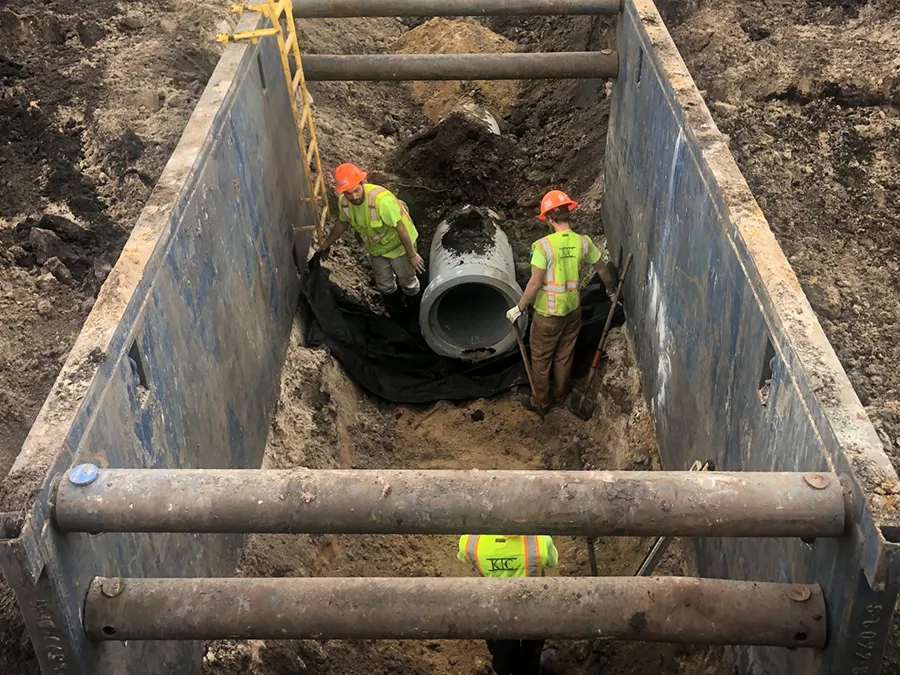
Because no two projects are the same, shoring and shielding methods will also differ.

trench shielding vs trench shoring

Shoring is a process that is used to hold up structures that either have structural integrity issues or foundation problems, or if major repairs need to be made to improve a structure’s safety. Because no two projects are the same, shoring methods will also differ. The key to choosing any shoring equipment is knowing the scope of your project and how to keep everyone safe.

There are different types of trench shoring equipment that underground energy specialists and other types of industries use. Often, shoring equipment is not a permanent piece of equipment, it’s generally rented to make the repairs.

No Two Trenching Jobs are the Same

The scope of excavation varies in parameters from one job to the next and depends on many factors, such as the kind of soil that surrounds the structure, the type of structure the shoring equipment needs to support, or even what barriers are going to exist in the location that the trenching material might have to work around.

Before you choose which type of shoring equipment to rent, it is best to have a structural engineer or a shoring expert evaluate the site and make a recommendation about the equipment you need to keep everything safe. Since no job is going to be a one-size-fits-all, finding someone who has a vast amount of experience in the industry is imperative to keeping your crew and any other workers on-site safe.

The type of shoring equipment you need will also be determined by the municipality where you work and the guidelines in place for the safety of trenching and shoring. To ensure that you are meeting the requirements, it is imperative to work with the government agencies that will be inspecting the site.

What is the Difference Between Shielding and Shoring?

Although sometimes “shoring” and “shielding” are considered synonymous, they actually are not. Shielding and shoring involve two different styles and have their own requirements from the Occupational Safety and Health Association. If you have to protect a system, then you make a trench “shield or box” that is installed to safeguard employees from things caving in on them. Shoring is a different process, it uses an entire structural unit or hydraulic force to protect the structure against any trench walls giving in. That is why it is crucial to have a professional determine which method is required for the scope of your individual project.

To make sure that you are employing the right process for making repairs if the structure of your job site or building’s integrity has been compromised, get a professional who understands your needs, the scope of your project, and what the laws are for the municipality where you are working, to ensure workers’ safety while making repairs. Since shoring and trenching are different, the key is to figure out which one you need for your individual project to protect everyone, including your business.

St. Louis Trench Shoring & Excavation Services – Call Luby Shoring Services at (636) 660-7467

Trench shoring is a procedure that braces the walls of a trench to prevent collapse and protects workers.

Trench Shoring St. Louis

Trenching and excavation are some of the most hazardous occupations. A number of workers get injured every year while performing their jobs. So it is imperative to have a protective system to ensure the safety of trench workers.

The competent person is responsible for deciding and implementing the protective measures. He has the ability and experience needed to identify the potential and existing dangers at the site. He is expected to choose the protective system on the basis of the type of soil and the depth and width of the trench.

The Dangers Involved in Trenching

The earthen walls of a trench can collapse and injure the workers inside. This is the most important danger faced by the employees who work on an excavation site. Besides this, the workers can get injured in other ways. If the work site is cluttered the workers can slip and fall. They can get a shock from the underground or overhead electrical lines.

They have to work in the proximity of high traffic and utilities and manually handle material and heavy machinery. All of this can be dangerous.

Different Protective Systems

  • Shoring – In this, the sides of an excavation are supported by posts, struts, wales and sheeting made of timber, and hydraulic or mechanical structures. This method is suitable for providing protection in excavations where sloping is not practical because of the depth or location of the trench. Shoring provides even pressure. The workers do not have to enter the trench to install it.
  • Shielding – Shielding involves the use of a trench box or shield. It does not avert a cave-in. Instead of this, it protects the workers from harm if there is a cave-in. This protective system is useful for a continuous installation work like laying pipes. The workers can drag the box with them wherever they work.
  • Sloping – This is a protective system in which the earthen walls of an excavation are cut back at an angle to avert a cave-in.
  • Benching – In this method, the walls of the excavation are cut into steps to prevent a cave-in and provide protection to the workers.

Advantages of Shoring and Shielding

Sloping and benching are not practical for most of the excavations. A large amount of space is needed to dig the trench at the correct angle. Often this is not possible because the excavations have to be done in busy areas where there is a lot of traffic.

Another reason why they are not very suitable is that towards the end the soil which has been removed has to be put back and compacted, this costs extra money and time.

Shoring and shielding are more advantageous. They are more economical than sloping and benching. They maintain the trench walls in a vertical position. This reduces the quantity of excavated soil and fuel consumption. It also makes the work of restoring the yards, asphalt and pavement easier.

St. Louis Trench Shoring

If you have any questions regarding trench shoring, call Luby Shoring Services today at (636) 660-7467 or fill out our online contact form.
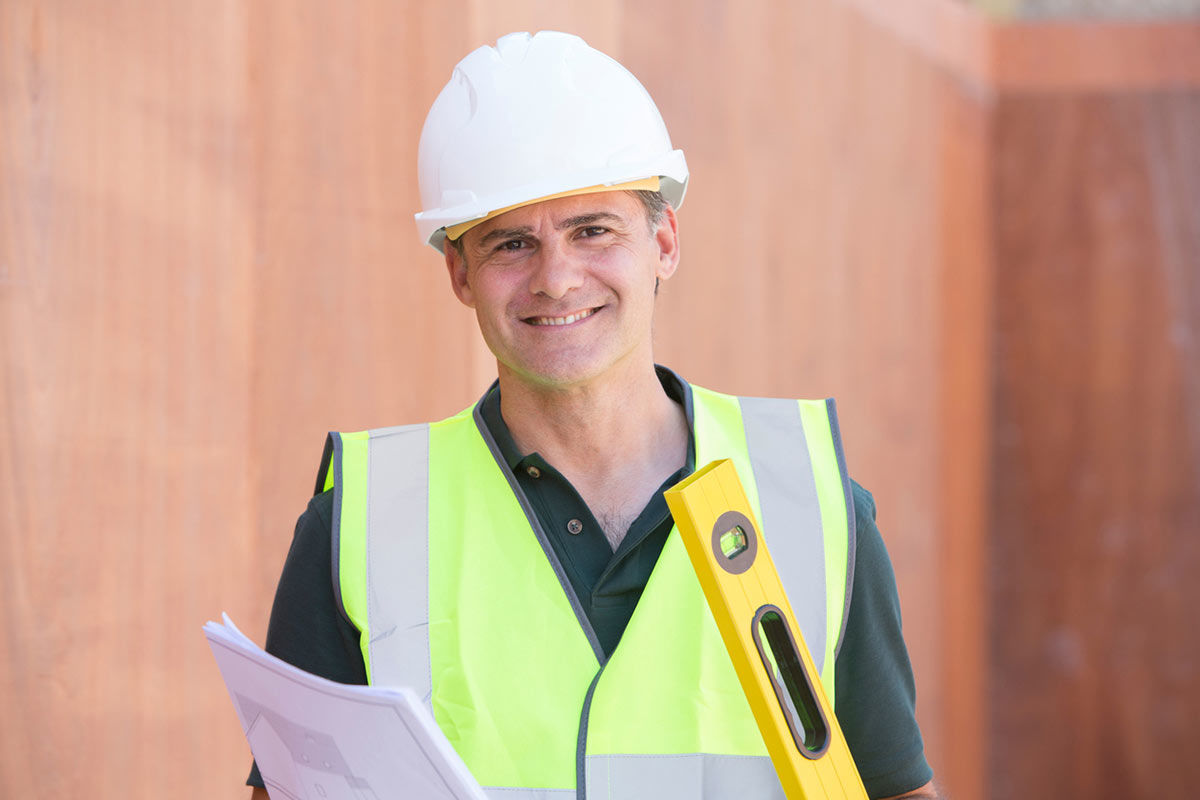
Luby Shoring Services has the expertise to work with you on site specific engineering services. We can quickly complete any job while meeting OSHA safety regulations.

Trench shields play the most important role when it comes to safety of workers working in a trench.

trench safety st louis

Trench workers have to perform their duties in perhaps one of the most hazardous and stressful conditions. Trenches are often dug out in industries such as construction for laying the foundation of a building, for pipe laying or underground wiring jobs.

Trench shields play the most important role when it comes to safety of workers working in a trench. A good and strong trench shield helps keep the work space safe and protects workers from hazardous trench collapses. Trench shields function to keep the side walls of the trenches secure and prevent them from caving-in.

It is therefore essential that employers understand the qualities of a good trench shield, appropriate handling procedures and what type of trench shield is ideal for the job. Our St. Louis trench shoring services experts explain this in detail.

What are Trench Shields

All trenches can at some point in time collapse or cave in. It is therefore important that trench shields are chosen on the basis of the depth of the trench dug out and the quality of the ground material that the trench is made of. Trench shields are most commonly made of either steel or aluminum. Such trench shields have the ability to maintain a rigid hold on the trench walls, giving workers the ability to focus on the job at hand better and more time to complete their job before the trench walls cave in.

Sizing a Trench Shield

Sizing a trench shield is an important step. Therefore one has to be equipped with the correct information about sizing trench shields. While sizing a trench shield, one should choose a trench shield based on the size of the trench, the weight of the shield that is going to be handled by trench shoring equipment, know the depth of the trench, the quality of soil on which the trench is built, have an clear idea about the size of diameter of the outside pipe and the lift capacity of the excavator.

Trench Shield Assembly and Handling

Once a trench shield type is chosen, it is important that it is assembled exactly according to the manufacturers manuals provided. Moreover, those engaged in trench shield assembly should be well trained and have enough experience in assembly and handling of trench shields. They should use all original parts such as the rebar, bolts, pipe, spreader pins etc. and these should never be substituted. The keepers of the trench shield should always be properly installed.

Safety is always the number one priority at any workplace. Trenches are no different. It is mandatory that all aspects of safety are covered. The first and foremost safety check is to ensure all trench shield operators and supervisors receive proper training with regards to correct practices of assembling as well as handling trench shields. All workers and operators should be provided with proper personal protection equipment like helmets while working in the trenches and while operating trench shields.

Trench Shoring St Louis

When it comes to excavating projects, rely on Luby Shoring’s expertise. We’ll help you complete any job quickly, while meeting OSHA safety regulations. We have a wide range of options available for fast delivery, and our team will provide options for the correct equipment to use with your job.

Call us today at (636) 660-7467 or fill out our online contact form.