
The best way to ensure you are following OSHA’s rules is to hire someone who is competent to run the operation and who has the expertise to keep things in check.

Trenching and shoring in the construction industry are two of the most dangerous operations that exist. That is why the Occupational Safety and Health Administration has so many procedures, rules, and regulations in place to protect those who work on or near trenching sites. The problem is that although operations are guided by OSHA regulations, there is not always someone overseeing the site to make sure that everyone is following protocol.
There are some companies that run outside the confines of being regulated by OSHA, which means that they try to cut corners and receive lower fines for doing so. Even if you aren’t caught, the result is that you can be subject to some severe and stiff penalties and costs in the event that someone gets hurt. That is why it is important for your managers not only to know what OSHA’s rules dictate, but also that they follow them – regardless of whether or not you are closely monitored.

The Importance of the Competent Person

The best way to ensure you are following OSHA rules is to hire someone who is competent to run the operation and who has the expertise necessary to keep everyone and everything in check. They must have the authority to manage not just the site but the many types of personalities that they will likely be dealing with. Because accidents can happen when rules aren’t followed, finding someone skilled enough to be on top of employee issues is important.

A trenching manager should:

  • Communicate with the staff regarding the responsibilities and the dangers of working at a trenching site. Communicating effectively means being able to explain why things should be done a certain way and what the potential hazards are if those procedures aren’t followed.
  • Be capable of completing a protective system to manage the trenching site efficiently and understand what the proper dimensions, including width and depth, need to be to accommodate for various soil conditions.
  • Must be able to multitask, keeping an eye on the overall trenching operation as well as the individual workers to ensure that they are trained properly and following the right protective standards necessary to keep everyone safe.
  • Must understand how to both excavate and inspect the areas around the trenching site.
  • Must understand how to evaluate and ensure that the concentration of oxygen is sufficient for workers or to evaluate if there are any hazardous gases.
  • Must be capable of anticipating any vulnerabilities, and if they are observed – even in cases where it is workers who aren’t skilled enough – be able to remove them to minimize the potential for danger.

Although they are supposed to be regulated by OSHA, there are many trenching operations that are never inspected or even evaluated unless a red flag goes up. That does not mean that it isn’t important for you to ensure that you have the proper safety guidelines in place and a competent person to follow them. That is the only way to ensure that you aren’t left with huge fines or even a wrongful death suit on your hands.

St. Louis Trench Shoring & Excavation Services Call (636) 660-7467 :: Experts in trench shoring and excavation projects.

The key is to know what to look for so that you can anticipate the dangers that may be associated.

Shoring services in st Louis

When it comes to the construction industry, there are very few things that are as hazardous as trenching and shoring. Trenching and shoring are ways that the construction business uses to make the structural integrity of building sites and structures stronger and safer for employees to work on or around. The problem is that you can’t always anticipate all the conditions that can wreak havoc on a job site, especially when it comes to the weather.

Winter is one of the worst times for construction trenching. With a combination of frozen ground and precipitation, there are always conditions that must be accommodated. If they aren’t, then it can put a real hazard on your work site. Being able to compensate for weather conditions is imperative to keeping everyone working on a trenching and shoring site safe and injury-free. The key is to know what to look for so that you can anticipate the dangers that may be associated.

Soil Conditions and How they Create Instability

One of the biggest factors in ensuring a safe trenching or shoring site is the condition of the soil that you are working with. If the soil is riddled with extra water, then you are going to be fighting a losing battle trying to keep things structurally sound. Heavy rains will be the number-one enemy of safety. That is why, if you see any signs of the soil heaving, cracking, settling or boiling, then it is time to shut the operation down and find a way to compensate for the additional water instead of trying to work through it.

What Should you Do if you Notice Soil Problems?

Once you notice that there is a problem with soil conditions, they need to be addressed immediately. There are ways to pump water from a site to make it sounder. You can also use protective systems to either dig deeper or to excavate a wider area to compensate for the weather conditions. The key is to identify the signs of water problems and to find a way to solve them, instead of just pushing through and hoping that they will take care of themselves.

If you find that water is a problem, then you can use different methods of benching, shoring, or sloping, depending on what the issue is. It’s essential to have an engineer or management professional who not only can identify when your trenching operation is jeopardized by excess water, but also knows how to address it so that your workers are safe.

Trenching is one of the most dangerous parts of any construction site, because the integrity of the work site is compromised to begin with. To ensure that you are compensating for weather conditions, make sure to hire the right professional so they can not only identify when things need alterations, but also find the right way to fix the problem before a hazard exists. The smallest water or weather issue can take down your entire operation, slow down your timeline, or put your personnel at risk.

Experts in trench shoring and excavation projects. Call Luby Shoring Services at (636) 660-7467 or fill out our online contact form.

To prevent accidents, it is best to avoid these most common trenching mistakes.

When it comes to construction, there are fewer jobs more dangerous than trenching and shoring. Trenching and shoring are both done to safeguard the integrity of a structure that might not otherwise be safe.

Providing bracing by using the area around the structure, trenching operations are adequate ways to work around buildings until the structure is safe again. The problem with trenching is that many things can compromise the safety of both workers and the work site. To prevent accidents, it is best to avoid these most common trenching mistakes.

prevent shoring and trenching hazards with these tips

Mistake 1: Not Doing the Research

It might seem like a simple thing, providing a shield while you work. But when it comes to dealing with soil conditions, weather, water, and all the other things that can compromise the safety of a trenching structure, you simply can’t plan too much. Make sure to accommodate for anything that can go wrong – because when it comes to construction and trenching, it likely will. And when it does, it isn’t just an oops, it has the potential to cause serious injuries – and in some instances, death.

Mistake 2: Don’t Misjudge Things

If you always err on the side of things going your way, then you are going to get into trouble. For trenching sites, the only way to ensure that no one gets hurt, your operation doesn’t get behind or shut down, and that things go as smoothly as possible, is to anticipate the worst-case scenario and plan for it. If you think that the worst can’t happen, then you aren’t going to be prepared when it does. When it comes to construction, everything unpredictable is predictable; if you want to keep everyone safe, then that is the theory you have to live by.

Mistake 3: Not Using the Right Equipment

Shoring and trenching equipment can cost a lot of money. But if you don’t dig correctly or set up your trenching work site appropriately, the potential consequences far outweigh the cost of renting the right equipment or hiring someone to do it right. When it comes to trenching, don’t save pennies by spending dollars. The number-one priority should be to keep your workers safe and to be on schedule without any major hiccups. Sometimes paying the money up front to make sure things go right is well worth it, and better than to end up paying for the mistake of not doing it correctly.

St. Louis Trenching Company

Trenching can be a very dangerous practice in the construction industry. If you don’t shore things up correctly and build a safe work site for everyone, you not only risk the safety of your employees – you also can jeopardize being on track, paying for an injury, and not securing the job site to run as efficiently as it should. Sometimes you have to put in the additional cost, effort, and research to ensure that your outcome is what you want and that everyone is safe. To make sure that you are doing everything to code and keeping everyone safe, contact a St. Louis trenching company to help you devise the best plan to make your construction project run smoothly.

Experts in trench shoring and excavation projects. Call Luby Shoring Services at (636) 660-7467.

Knowing what they are and how to evaluate and accommodate for them are critical to keeping workers safe.

Trenching St. Louis

Trenching is one of the most dangerous practices that you can engage in within the construction industry. Trenching is a way to build a structure to ensure the integrity of a worksite that may not be stable. There are many things that you have to take into consideration when devising the best trenching practices. One that might seem like the most benign, but it’s one of the most critical: being able to evaluate and accommodate various types of soil conditions.

Since your trench will rely on how well it holds up the surface around the worksite, things like soil type, the moisture that it retains, and the type of composition it contains should all help to determine the best way to shore things up to keep everyone safe.

There are many stresses that can be placed on the soil at a trenching site. Knowing what they are and how to evaluate and accommodate for them are critical to building the safest trenching operation possible.

Stable Rock

Stable rock soil conditions exist when there is natural mineral matter that can be extracted with both sides exposed. Examples of stable rock are sandstone and granite. Although it’s more difficult to crack, once you have a trenching site comprised of stable rock you have more stability, and it is impervious to weather conditions and cracks.

Type A Soils

Type A soils are unconfined and have a compressive strength of 1.5 tons per square foot or more. Things like clay, clay loam, sandy clay, or silty clay are examples of type A soil. It’s not impervious to water conditions, so weather and running water need to be accommodated for when trenching in type A soils.

Type B Soils

Type B soils are unconfined and have a strength of more than 0.5 but less than 1.5 per square foot. Examples of type B soils are silt loam and angular gravel. As they are more unstable than other types of soil, water and weather conditions definitely need to be factored in for safety.

Type C Soils

Type C soils are unconfined soils that have the strength of less than 0.5 per square foot or less. They are gradual in nature and pose the biggest threat of danger in a trenching site. They are the most unstable, so if you are trenching in type C soils you will need to either dig deeper, slope horizontally or vertically, and anticipate weather or water changes.

Layered Geological Strata

If you are dealing with soil that is geologically altered, then you have to take into account the various levels of soil and accommodate accordingly. Dealing with layered geological strata creates a highly complex trenching site, and there are many conditions to consider.

St. Louis Trench Shoring

Trenching is an extremely dangerous part of the construction industry and it’s heavily guided by the conditions that surround the work site. Chief among those concerns are the type of soil and how weather and other conditions will affect its integrity. If you are designing a trenching operation, it is imperative to get the help of a professional St. Louis trenching and shoring professional to ensure that you are taking soil and all other things into consideration.

Call Luby Shoring Services at (636) 660-7467 or fill out our online contact form.

If excavation work sites aren’t properly constructed, then this puts the workers at great risk.

Trench Safety St Louis

Trenching and excavating are both extremely dangerous processes involved in many construction projects. Because of the high levels of risk, the Occupational Safety and Health Administration (OSHA) heavily monitors the way that trenching and excavation sites are constructed. If worksites aren’t properly constructed, there is a high probability that you can compromise the integrity of your structure and that an employee will end up getting injured.

OSHA Safety Procedures

OSHA regulates the particulars about how a trenching or excavation site is built and maintained. The newest guideline changes cover the following parts of operation:

  • Dangers related to trenching operations. Since trenching sites are so dangerous, OSHA guidelines are in place to prevent cave-ins that can jeopardize workers, create hazardous atmospheres for surrounding environments, and limit the hazards associated with the machinery needed for trenching.
  • The classification of soil types. Trenching sites differ according to the type of soil surrounding them. Since the soil type can greatly affect the risks associated with trenching sites, there are guidelines on how the soil is classified.
  • Who is running the trenching site? There are specific things that the supervisor of a trenching site must know to keep things running smoothly and safely. OSHA requires that every trenching site have a “competent person” in charge to ensure that the trench is both constructed and maintained in a specific manner to limit risks. That person needs to have experience with site inspection, soil classification, structural ramp design, water removal monitoring, knowledge of water removal equipment and protective systems.
  • Planning factors ahead of time. Before a trenching site can be put into execution, there needs to be a lot of pre-planning done to accommodate risks and to make the site as safe as possible. Since no two sites will ever be the same, they must be approached with specific conditions in mind and constructed accordingly.
  • Working around existing utilities. Before you can begin to construct a trenching site, it must be examined to ensure that there aren’t any existing utilities hidden underground, like a gas line. Before you dig, you have to call 811 to have an inspection of the site to ensure that you aren’t going to be digging into something dangerous.
  • Protective systems necessary during excavation. Before you even start excavating your trenching site, you have to determine the bench and the slope of the operation. It is also required that you appropriately support all sides of the excavation site, and to shield the site and the work area to keep people out.

Because trenching is such a dangerous part of a construction worksite, there are many restrictions on what you can and can’t do, and how trenching sites are managed and who can manage them. It is important to know what the OSHA guidelines are to keep your workers safe and to stop yourself from incurring fines and being cited for unsafe practices.

St. Louis Trench Shoring & Excavation Services

Get in touch with our St. Louis trench shoring services team to talk about your project. Call us today at (636) 660-7467 or fill out our online contact form.

Trench shoring is a procedure that braces the walls of a trench to prevent collapse and protects workers.

Trench Shoring St. Louis

Trenching and excavation are some of the most hazardous occupations. A number of workers get injured every year while performing their jobs. So it is imperative to have a protective system to ensure the safety of trench workers.

The competent person is responsible for deciding and implementing the protective measures. He has the ability and experience needed to identify the potential and existing dangers at the site. He is expected to choose the protective system on the basis of the type of soil and the depth and width of the trench.

The Dangers Involved in Trenching

The earthen walls of a trench can collapse and injure the workers inside. This is the most important danger faced by the employees who work on an excavation site. Besides this, the workers can get injured in other ways. If the work site is cluttered the workers can slip and fall. They can get a shock from the underground or overhead electrical lines.

They have to work in the proximity of high traffic and utilities and manually handle material and heavy machinery. All of this can be dangerous.

Different Protective Systems

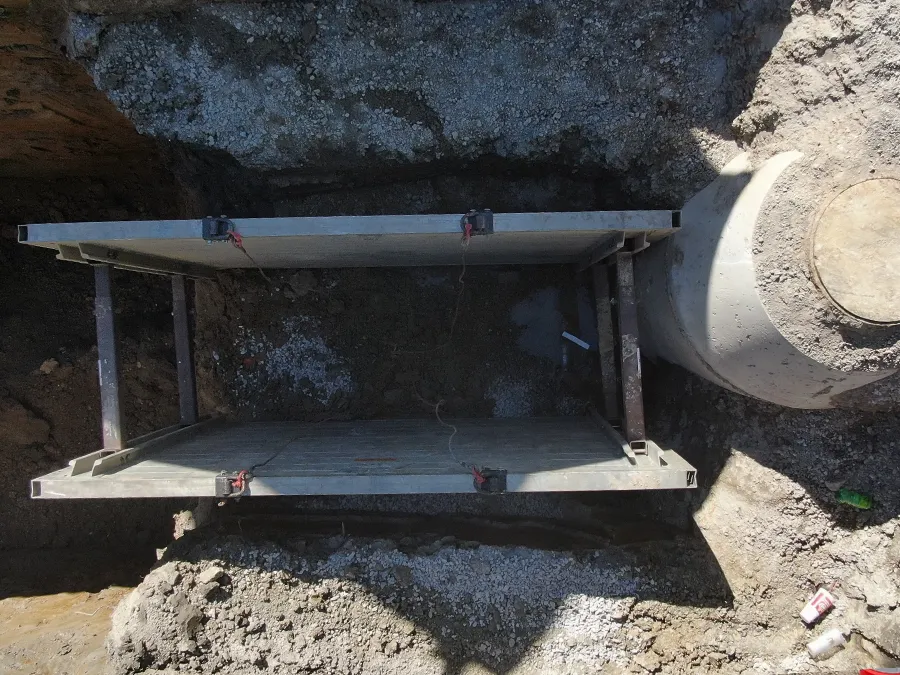
  • Shoring – In this, the sides of an excavation are supported by posts, struts, wales and sheeting made of timber, and hydraulic or mechanical structures. This method is suitable for providing protection in excavations where sloping is not practical because of the depth or location of the trench. Shoring provides even pressure. The workers do not have to enter the trench to install it.
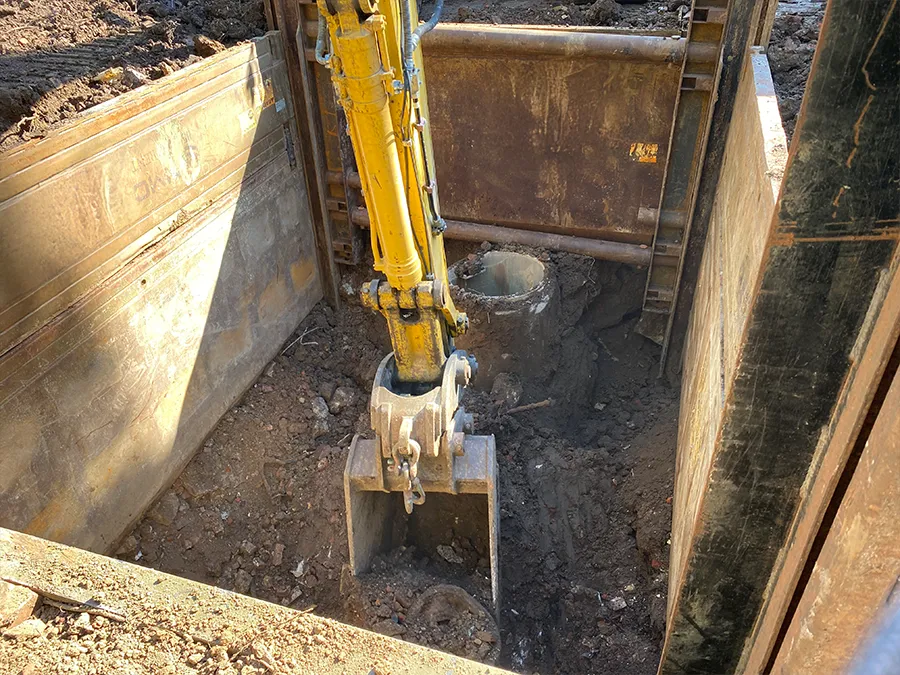
  • Shielding – Shielding involves the use of a trench box or shield. It does not avert a cave-in. Instead of this, it protects the workers from harm if there is a cave-in. This protective system is useful for a continuous installation work like laying pipes. The workers can drag the box with them wherever they work.
  • Sloping – This is a protective system in which the earthen walls of an excavation are cut back at an angle to avert a cave-in.
  • Benching – In this method, the walls of the excavation are cut into steps to prevent a cave-in and provide protection to the workers.

Advantages of Shoring and Shielding

Sloping and benching are not practical for most of the excavations. A large amount of space is needed to dig the trench at the correct angle. Often this is not possible because the excavations have to be done in busy areas where there is a lot of traffic.

Another reason why they are not very suitable is that towards the end the soil which has been removed has to be put back and compacted, this costs extra money and time.

Shoring and shielding are more advantageous. They are more economical than sloping and benching. They maintain the trench walls in a vertical position. This reduces the quantity of excavated soil and fuel consumption. It also makes the work of restoring the yards, asphalt and pavement easier.

St. Louis Trench Shoring

If you have any questions regarding trench shoring, call Luby Shoring Services today at (636) 660-7467 or fill out our online contact form.

Luby Shoring Services has the expertise to work with you on site specific engineering services. We can quickly complete any job while meeting OSHA safety regulations.

To keep workers safe don’t set unrealistic goals or offer incentives for things to get done quickly or under budget.

Trench Safety St. Louis

Trenching is considered a highly-dangerous occupation in the construction field. The reality is that just one yard of cubic dirt can weigh as much as 3,000 pounds, which is enough to crush a worker or trap him underneath if the trench is compromised and gives in. That is why having the proper safety measures in place is so crucial to keep everyone safe on a trenching site.

Why Trench Safety is So Important

Fatal trenching incidents have as much as doubled in just the last year. OSHA, the Occupational Safety and Health Administration, insists that if better safety measures had been implemented, most of those accidents would not have happened. If trenching companies would do a better job of keeping sites safe, then the number of accidents would decrease significantly. Keeping your job site safe is not only a moral obligation, it is also a law. If an accident happens, it is possible for those in charge to face criminal charges.

Setting Realistic Time Frames

One of the biggest reasons that things go wrong is because trenching workers are often on tight schedules to get jobs done. When they are in a time crunch, it is not uncommon for them to cut safety corners to finish on time. That can lead to workers and managers being careless and making decisions based on time efficiency, rather than on the safety of employees. Make sure to set realistic goals when you are running a trenching operation. Scheduling strict time frames that are unrealistic will only jeopardize your workers and increase the likelihood of accidents.

Another reason that things go awry and workers get hurt is that supervisors and managers are often given incentives in the form of bonuses for getting a job done on time or even ahead of schedule. To cut costs, supervisors will bend the rules or put workers in riskier positions to get goals met and to reap the benefit. As a trenching company, you do want to set goals and to offer an efficient operation, but offering your supervisors and managers money to get it done quickly might not be the best way to ensure the safety of your overall operation.

Finally, it costs more to do things right. Having the proper safety measures in place is a little costlier for the company and hiring safety managers might seem like an additional cost that can hurt a company’s bottom line. But what will really put a kink in your budget would be if your operation was shut down, you are fined, or someone gets hurt and you face criminal prosecution.

Trenching is a highly dangerous but necessary component of construction. If you want to keep your workers and your operation safe, then don’t set unrealistic goals or offer incentives for things to get done quickly or under budget. Invest in your workers, and they will invest in your company. It will also ensure that the job gets done right and that everyone is much safer.

Call Luby Shoring Services at (636) 660-7467 or Fill Out Our Online Contact Form.

Shoring is the most economical and safest method of protecting trench workers.

Shoring St. Louis

Cave-ins are the biggest hazard faced by the trench workers. An unstable trench can collapse and kill or injure the workers at any time. So it is essential to have a suitable protective system in place.

A number of methods like shoring, shielding, sloping and benching are available to protect the workers. Among them, shoring is the most economical and efficient.

Reasons for Cave-Ins

There are a number of factors which can influence the stability of the trench. Some of them are:

  • The kind of soil and its moisture content.The kind of soil and its moisture content.
  • Unfavorable weather conditions.
  • Improper installation of the trench box or support system.
  • Vibration.
  • Depth of the excavation.
  • The duration of time for which the trench is left open.
  • Surcharge or excessive weight near the excavation.
  • Adjacent structures and buildings.
  • Previous soil disturbances or excavations.

Other Hazards Involved in Trenching

Besides cave-ins, trench workers face some other dangers also:

  • They may trip, slip or fall while entering, egressing or working in the trench.They may trip, slip or fall while entering, egressing or working in the trench.
  • The workers may not have sufficient protective equipment.
  • They may come into contact with the overhead electrical conductors or the underground utilities.
  • Working with heavy equipment near the excavation can be dangerous.
  • Traffic on the public roads and the site may pose a danger.
  • Working in hazardous atmospheres and confined spaces may prove to be harmful.
  • There are chances of being hit by falling equipment, materials or vehicles in the excavation.
  • The adjacent structures may become unstable because of the excavation and pose a problem.
  • It may be risky if the excavated material is not stored at a suitable distance from the trench. 
  • Finally, water hazards like flooding can cause accidents.

Benefits of Trench Shoring

In the olden days, sloping and benching were used to prevent the sides from collapsing while digging deep holes. In sloping the walls of the trench slope at an angle so that they do not cave-in. Benching or terracing is a method in which the sides of the trench are formed in steps in order to prevent them from collapsing.

Sloping does not require any additional equipment. It is quite a safe procedure if the degree of the slope is proper and the weather is favorable.

But in the modern days shoring and shielding are considered to be the most economical and safest methods of protecting trench workers from a cave-in. At an excavation site shields protect the workers from a cave-in. Shores support the walls of the excavation with a system of hydraulic cylinders and stop them from collapsing.

Shoring is more beneficial in some situations because of its flexibility and versatility. It is very useful for spot bracing. This method is most suitable when the work is being done near sidewalks or curbs, around existing utilities, or any place where a backhoe or mini-excavator is used.

Shores are lightweight. The workers can easily install and remove them from above the trench.

St. Louis Trench Shoring

Get in touch with our St. Louis trench shoring services team to talk about your project. Call us today at (636) 660-7467 or fill out our online contact form.